Blade Runner is visual perfection, with emphasis on the visual. Whilst it’s subjective to a degree, this is genuinely is one of the best looking two hours of film ever produced. Dark, decaying urban environments steeped in human history collide with high-tech electric modernity. Steam billows from the ground and the atmosphere is awash with rain. Every frame is neon signs or romanticised and rusting iron railings.
As for the plot; it’s science fiction in very pure terms. Replicants (humanoid robots) have escaped and are wandering the city, and it’s up to retired and burnt-out detective Deckard (played by an ever-downbeat Harrison Ford) to track them down and “retire” them. It’s a solid premise, and it works in keeping a generic narrative thread throughout the film.
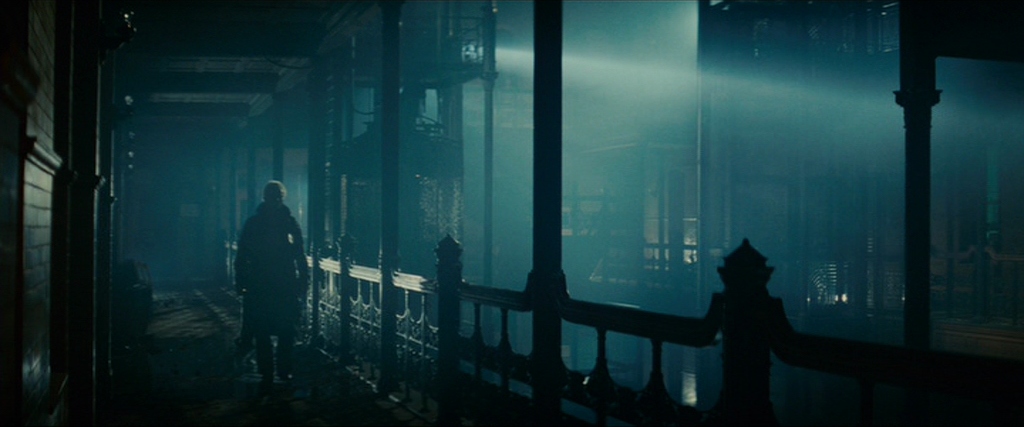
What Blade Runner absolutely is, though, is laid back and ambient in its pacing. Strictly speaking, it isn’t slow; things happen, and the plot develops. It’s just that it very much does so in it’s own time. This allows the atmosphere the film creates to permeate, inviting the viewer to sink into its meticulously crafted world. The soundtrack, too, is excellent. Composed by Vangelis, it’s synthy, smoky and spacey jazz that perfectly compliments the film’s mood.
The performances are solid, albeit nothing overly remarkable. Ford’s portrayal as Deckard is, essentially, Ford. The supporting cast play their parts well, but realistically everything, including the players, are just parts in Ridley Scott’s mosaic.
1982, Ridley Scott
8.0

 Reverse Lens